






I found the variety of deposit options at Betnjet Casino quite convenient, especially the support for e-wallets.

The Betnjet welcome promotion is presented as 120% up to €200 + 100 free spins. It contains a capped matching component and a separate allocation of promotional rounds. These two elements have different functions, and neither is equivalent to a guaranteed payment to the customer. The distinction is important when evaluating the financial meaning of the offer.
The advertised first promotion has a €20 minimum deposit. This page examines the relationship between the headline and the conditions attached to it, including the status of promotional balances, time restrictions and general account rules. The figures describe an offer rather than a forecast of results. Gambling can lead to the loss of all money committed, regardless of the size of a promotion.
| Advertised offer | 120% up to €200 + 100 free spins |
| Match ceiling | €200 |
| Qualifying turnover | 35 times bonus or spin proceeds |
| Spin denomination | €0.20 |
| Spin allocation | Two batches of 50, 24 hours apart |
| Match validity | 7 days |
| Deposit threshold | €20 |
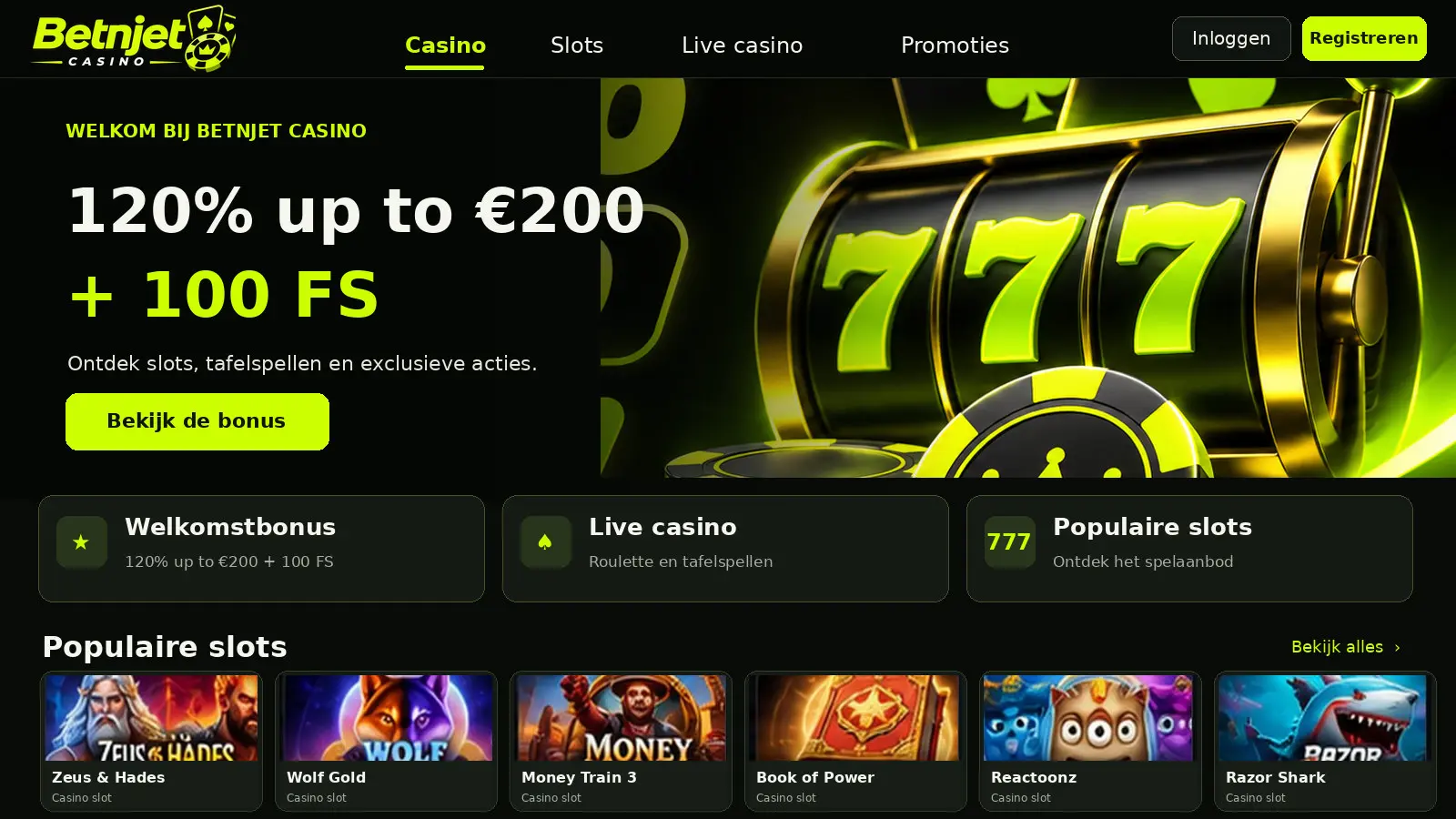
A 120% match is a proportional calculation in which the nominal promotional addition is 1.2 times the qualifying deposit, subject to the advertised maximum. The €200 ceiling applies to that matching component. It is not a fixed payment to every account. A headline percentage alone therefore does not provide the amount of credit assigned to any particular transaction. In addition, the contract may determine which deposit qualifies and how its currency is treated. The existence of a ceiling is a condition of the advertisement, not a spending target. A reader should not interpret a larger potential reward as evidence that committing more money is financially beneficial.
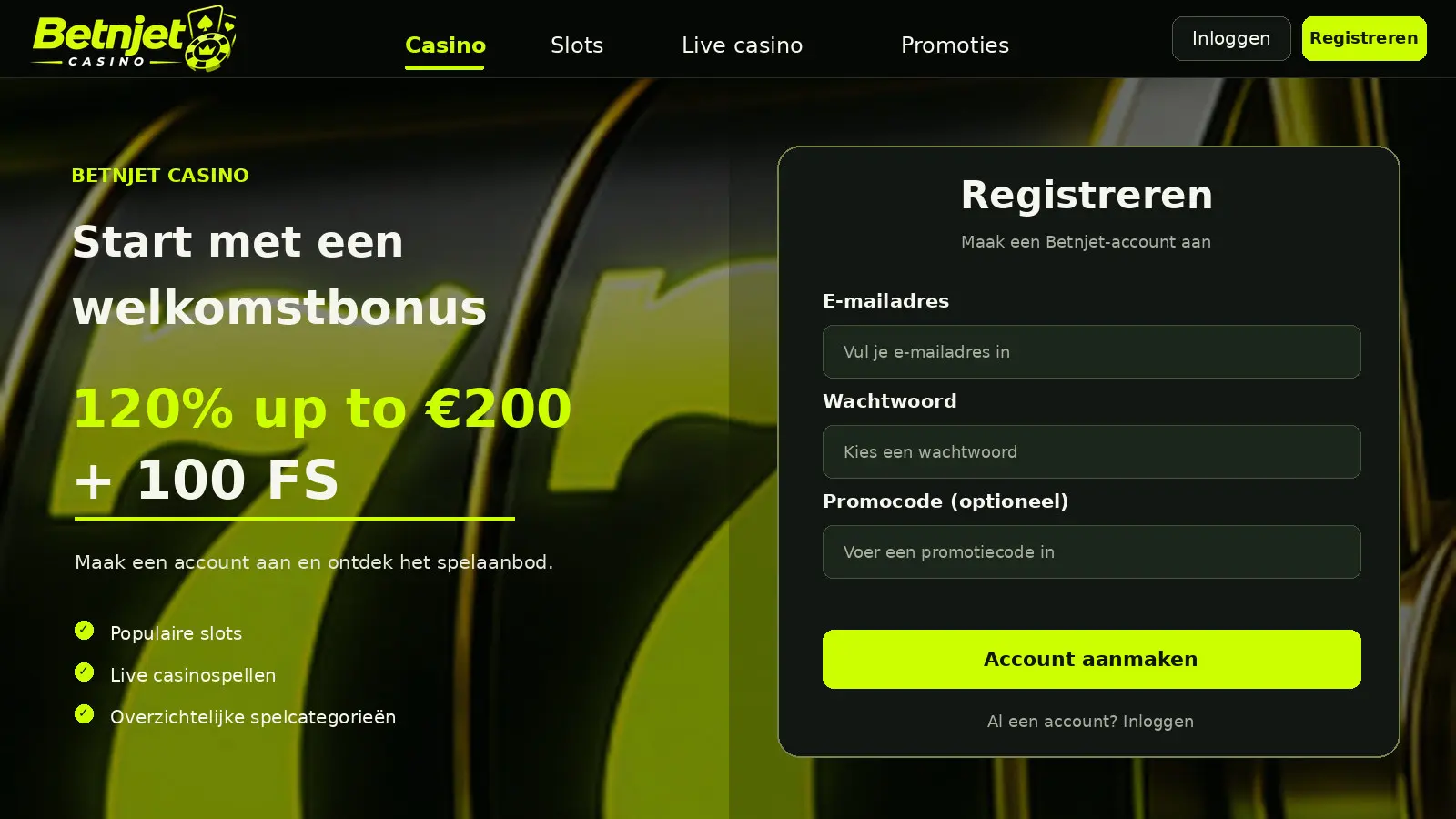
Casino balances can consist of several categories with distinct rights attached. Deposited money, matched credit and proceeds from a promotional game may appear together or in separate fields. A large figure in the main account display does not necessarily mean the entire amount can be transferred outside the platform. The relevant contractual terms determine the status of each component. Restricted credit is closer to a conditional entitlement within a system than an unrestricted payment. It may be subject to expiry, cancellation or further limitations. Reading the balance description is therefore more useful than focusing on the total shown in large type.
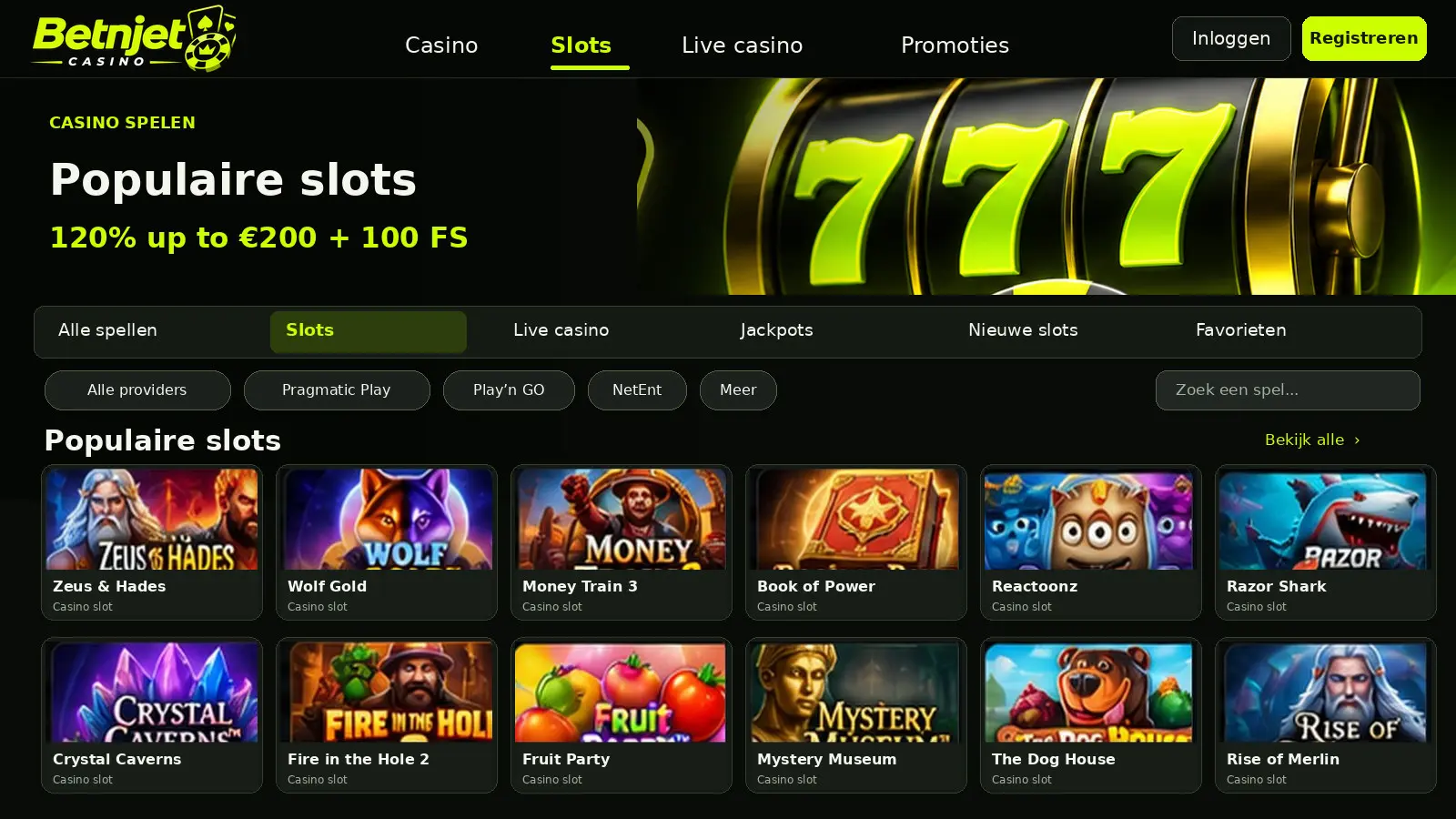
The offer advertises one hundred free spins. That figure counts promotional rounds and does not state a guaranteed award. A round may produce no prize, and any amount received can remain subject to conditions. The published terms set the nominal stake at €0.20 per spin and allocate the rounds in two batches of fifty, separated by 24 hours. A term such as free is not a promise that the wider transaction has no financial exposure. It describes the particular mechanism by which a promotional round is funded. The customer's own deposit remains a separate amount and may be lost through gambling.
The published first-deposit conditions specify qualifying turnover of 35 times the matched credit or spin proceeds. This is a turnover measure rather than a statement of profit or an amount returned to the customer. A multiplication factor can require the nominal value of qualifying activity to exceed the initial reward by a substantial margin. Individual outcomes during that activity remain uncertain. An interface may express progress as a percentage, but it does not follow that the customer is approaching a positive balance. Money may be lost while a progress indicator moves forward. Stopping before any target is reached is a valid response to financial or personal discomfort.
Different types of game may be treated differently by promotional rules. Some can contribute only part of an amount committed, while others may be excluded altogether. Published Betnjet bonus conditions contain restrictions concerning individual titles and forms of play. A customer should not infer that every product in a lobby qualifies simply because it accepts an instruction. There is also a distinction between an activity that does not count towards turnover and an activity that is expressly prohibited under an offer. The possible consequences are determined by the text of the relevant conditions. This complexity is one reason a promotional figure cannot be treated as equivalent to ordinary cash.
The matching credit has a seven-day validity period in the published conditions. A spin allocation might have an activation period different from the life of the matching credit; an expiry date may also differ from the period for qualifying turnover. Those details should not be combined into a single generic deadline without evidence. A countdown may give the impression that a decision is urgent, but the customer is not obliged to use all available rewards. A promotional deadline does not justify extending a session or making another payment. If a person has reached a spending or time boundary, it is better to accept the expiry of the incentive than to continue under pressure.
A game's interface can show the maximum stake that the underlying software permits. A promotion can impose a different maximum or limit access to particular features. Those are two separate questions. The fact that a control remains enabled does not establish that an instruction complies with the offer. The same distinction applies to features whose cost differs from the ordinary round cost. A general bonus explanation should draw attention to the possibility of restrictions without guessing the exact limit where reliable information is unavailable. If a dispute arises, the relevant version of the promotional terms matters more than a recollection of the buttons visible during play.
A code identifies an offer within a commercial or account-management system. It does not independently establish eligibility, duration or the status of a reward. Some promotions are intended only for particular account categories or transaction circumstances. Published descriptions may change, and information copied to a separate website may remain visible after the original offer changes. The presence of a code in a review is therefore not a guarantee of an active entitlement. A person who expected to receive credit should avoid making additional payments simply to reproduce an advertised result. First establish whether there is an actual financial issue involving the previous transaction.
Betnjet's published general terms describe a separate turnover condition of twice deposited funds before withdrawal. That rule should not be confused with promotional wagering requirements. It concerns the underlying deposit and is relevant even when discussing ordinary account balances. The financial provisions also describe circumstances in which charges may apply. Declining an incentive does not establish that the rest of the account agreement is free from restrictions. Readers should evaluate both sets of conditions and distinguish the treatment of their own money from the treatment of an added reward. The entire financial relationship cannot be assessed from the welcome banner alone.
An offer may allow a customer to decline an incentive, or it may describe what happens when an existing reward is cancelled. This does not necessarily resolve the status of every associated amount. The outcome can depend on the origin of the balance, whether any rounds have been used and the rules governing proceeds. A request to remove promotional credit is conceptually different from a request to transfer deposited funds. It is useful to describe the intended action precisely when discussing the issue with support. There is no financial obligation to continue gambling merely to prevent a reward from expiring.
If a disagreement concerns a promotion, the details of the original transaction can matter. A date, the name of the offer, a non-sensitive transaction reference and the relevant version of the terms can help identify what was actually promised. General marketing language may not resolve questions about eligibility or restricted balances. It is also important to avoid exposing account credentials, payment details or identification documents while discussing the matter in public. A description of an offer may be valuable for understanding the issue, but it is not a substitute for the contract governing that specific account.
A foreign brand may publish a similar promotion across multiple markets while eligibility and marketing rules differ. Authorization to offer gambling products is not established by a welcome banner or by the currency used in an advertisement. A customer should rely on the applicable local regulatory framework and territorial provisions. Particular protections can apply to younger adults, people who have excluded themselves and other groups depending on jurisdiction. A promotional deadline or special price must not be treated as a reason to work around those protections. Understanding the product does not require participation in the offer.
The two-part offer can be explained using a small set of distinctions: the deposit is the customer's own money, the matched credit is conditional, and the spins are rounds rather than a guaranteed return. Wagering and expiry provisions determine the status of promotional amounts. General withdrawal and identity rules affect account transactions independently. These features make a financial headline much less informative than it first appears. If participation threatens essential expenditure, causes distress or is motivated by recovering earlier losses, a promotion is not a remedy. The safest response is to discontinue the activity and seek appropriate support when necessary.
I found the variety of deposit options at Betnjet Casino quite convenient, especially the support for e-wallets.

Are there any fees associated with depositing funds using credit cards at Betnjet Casino? I couldn't find clear info on that.

I appreciate that Betnjet Casino allows deposits via bank transfers, but the processing time seems longer than expected.

Does Betnjet Casino accept cryptocurrency deposits? I couldn't confirm this on their payment methods page.
Depositing funds was straightforward and fast for me, especially using the PayPal option at Betnjet Casino.
I wish Betnjet Casino provided more clarity on the minimum deposit requirements for different payment methods.
The deposit interface is user-friendly, but I would like to see more local payment options available in the future.
I encountered a delay when depositing with my debit card, though the funds eventually appeared in my Betnjet account.
I found the variety of deposit options at Betnjet Casino quite convenient, especially the support for e-wallets.
Are there any fees associated with depositing funds using credit cards at Betnjet Casino? I couldn't find clear info on that.
I appreciate that Betnjet Casino allows deposits via bank transfers, but the processing time seems longer than expected.
Does Betnjet Casino accept cryptocurrency deposits? I couldn't confirm this on their payment methods page.
Depositing funds was straightforward and fast for me, especially using the PayPal option at Betnjet Casino.
I wish Betnjet Casino provided more clarity on the minimum deposit requirements for different payment methods.
The deposit interface is user-friendly, but I would like to see more local payment options available in the future.
I encountered a delay when depositing with my debit card, though the funds eventually appeared in my Betnjet account.
The proportion of a qualifying deposit used to calculate matched credit, subject to the €200 ceiling.
The published promotion specifies 35 times the bonus or spin proceeds.
The offer terms describe two batches of fifty separated by 24 hours.
Seven days under the published terms, with separate time limits for promotional rounds.
No. The published bonus rules identify game restrictions and excluded titles.
No. A customer can stop even when a promotional entitlement remains unused.